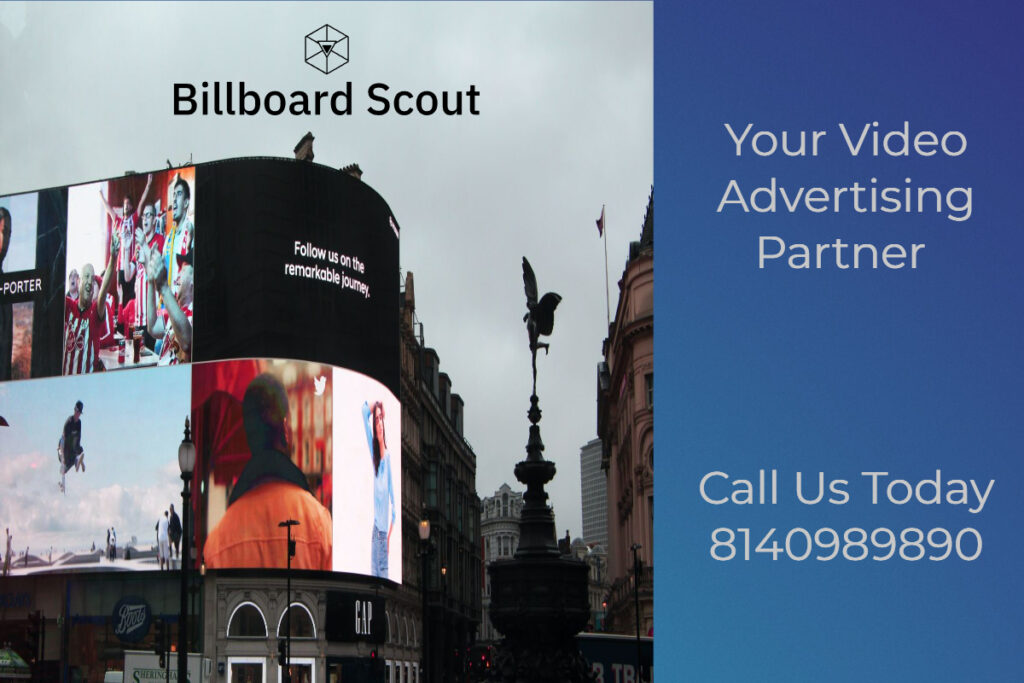
In an era of digital saturation, where “skip ad” is a reflex and ad-blockers are the norm, how do brands actually get noticed? The answer isn’t on a smartphone screen—it’s in the real world.
Digital Out-of-Home (DOOH) advertising has officially stepped out of the “sci-fi” realm and into the center of the modern marketing mix. By 2026, DOOH is projected to account for over 40% of all outdoor ad spend, and for good reason: it’s unblockable, data-driven, and more interactive than ever before.
What is DOOH Advertising?
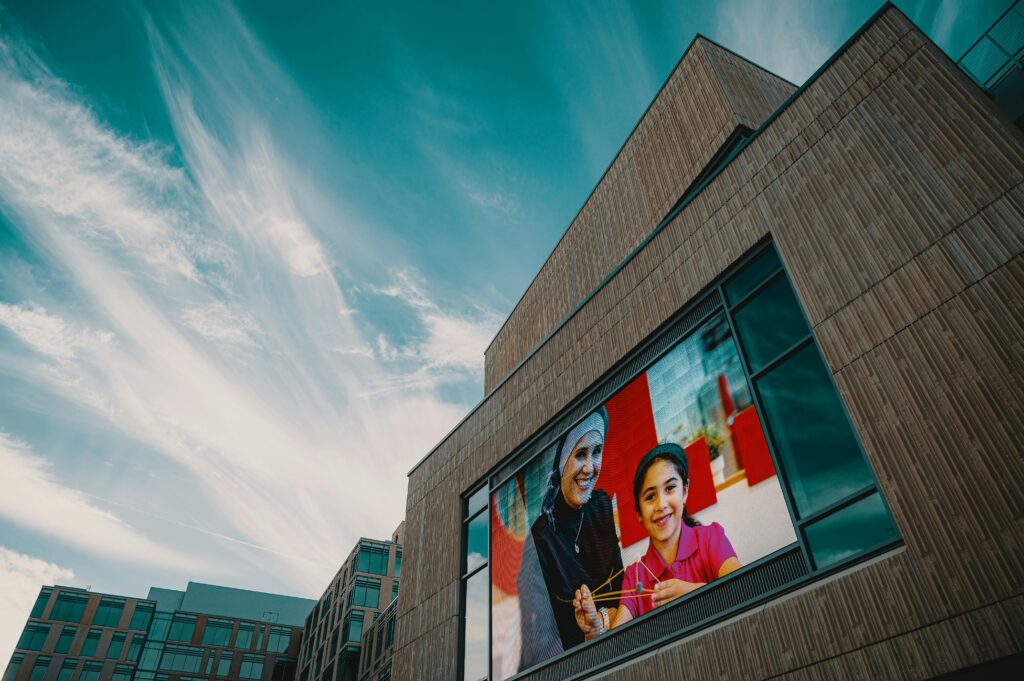
If you’ve seen a digital screen at a bus shelter, a shimmering 3D display in a shopping mall, or a weather-triggered ad at a gas pump, you’ve encountered DOOH.
Unlike traditional OOH (Out-of-Home) advertising—think static paper billboards—DOOH uses digital screens to deliver dynamic content. This allows for:
- Real-time updates: Change your message in seconds, not weeks.
- Programmatic buying: Buy ad space like you buy Facebook ads—based on audience data and specific time slots.
- Contextual relevance: Show ads for iced coffee when the temperature hits 25°C, or umbrellas when the clouds roll in.
3 Game-Changing DOOH Trends for 2026
To stay ahead, businesses are moving beyond simple “slideshow” ads and embracing the latest tech:
1. The Rise of “Liquid Audiences”
We no longer buy “spots”; we buy “people.” With AI-driven audience intelligence, brands can now target liquid audiences—groups of people moving through specific transit corridors or retail zones. Instead of hoping a commuter sees your sign, programmatic DOOH ensures your ad plays exactly when your target demographic is most likely to be walking past.
2. Retail Media Integration
In-store DOOH is the fastest-growing segment of the industry. By linking in-store screens with real-time inventory data, retailers can trigger ads for products that are currently in stock and on the shelf nearby. This “last-mile” advertising is proven to drive a 30% lift in in-store purchases.
3. Immersive 3D and AR Experiences
2026 is the year of the “stop-and-stare.” 3D anamorphic billboards (displays that look like objects are “popping out” of the screen) are no longer just for big-budget brands in Times Square. These formats generate massive organic reach as passersby film the ads and share them on social media.
Why Your Business Needs a DOOH Strategy Now
If you’re still relying solely on social media and search, you’re missing a critical piece of the customer journey. According to recent 2026 studies:
- 73% of consumers view DOOH ads more favorably than online or social media ads.
- 76% of viewers take action (visiting a store or searching for the brand) after seeing a digital outdoor ad.
- DOOH provides a 74% higher engagement rate when paired with mobile retargeting.
Pro Tip: Combine your DOOH campaign with mobile geofencing. When someone passes your digital billboard, you can send a follow-up offer to their phone to “close the loop” and drive them directly to your website.
Summary: The ROI of “Being Everywhere”
DOOH advertising isn’t just about brand awareness; it’s about being present in the moments that matter. Whether it’s a hyperlocal campaign near your store or a massive programmatic rollout, digital out-of-home is the most effective way to break through the digital noise.
Ready to bring your brand to the big screen? https://billboardscout.com/